Posted on

Great Lakes Bee Co. celebrates grand opening and 50th anniversary of Hasselman’s Honey


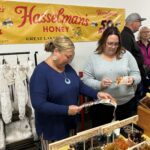
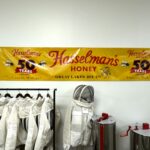
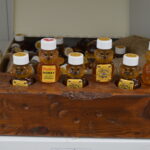
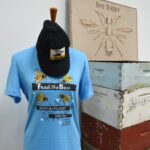
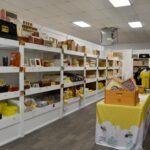
On Tuesday, Sept. 24, 2024, Great Lakes Bee Company hosted a grand opening at its new storefront in Old Rink Plaza in Fremont in celebration of Honey Harvest Month this September and the 50th anniversary of Hasselman’s Honey.

In recent years, backyard beekeeping has been on the rise, not just in Michigan, but nationwide. Great Lakes Bee Company in Fremont has been on the forefront of promoting the importance of beekeeping in the region and how it benefits Michigan’s economy and agriculture. Each May, bees from GLBC return home to Fremont, Michigan, after pollinating almond crops in California and rebuilding of hives in Georgia. When they’re back home, they forage on Newaygo County’s basswood, alfalfa, star thistle, and West Michigan flowers to create 150,000 pounds of Michigan’s Hasselman’s Honey.

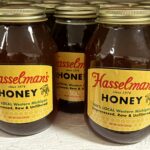
“For us, it all started in 1974 with Larry Hasselman and his hobby for beekeeping,” said Great Lakes Bee Company owner Genji Leclair. “Larry founded Hasselman’s Honey after growing his passion and curiosity for bees, creating a distinctively delicious tasting honey. Since establishing Great Lakes Bee Company in 2016, it has been my mission to maintain Larry’s honey legacy and preserve the sources and processes that he has used since the 1970s, while also striving to produce only the best honey for our customers.”

During the event, Larry Hasselman shared how his honey business “accidently happened” with a Christmas gift of beekeeping items from his parents and the with bees would come later that spring. That spring Hasselman received two packages of bees and within a a couple months a majority of the bees in his two hives were dead.

“From then on, I called it the hobby that got out of hand,” laughed Hasselman.

From there, Hasselman grew his beekeeping hobby to 500 hives and began shipping “Hasselman’s Honey” throughout Michigan and Chicago.

“I was at the right place at the right time with the right people,” he said.

In addition to honey production, bees from Newaygo County also pollinate various crops including: almonds (January); apricots, sweet cherries, peaches and plums (April); tart cherries, pears, blueberries and apples (May).

“Bees play a significant role in our region’s and nation’s agriculture,” said Leclair. “By pollinating many crops used for animal feed, bees contribute to a third of the world’s food production. They are also essential in helping to maintain biodiversity and preserving our ecosystem that we depend on to survive. At Great Lakes Bee Company, we help educate the public about the irreplaceable value of honey bees to our environment.”

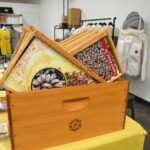
In addition to Hasselman’s Honey and supplying bees to beekeepers, GLBC sells beekeeping equipment and products made from their beeswax including candles and raw wax.

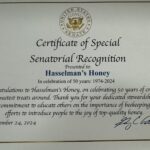
During the grand opening event, GLBC owner Genji Leclair and local representatives from the Fremont Chamber of Commerce and River Country Chamber of Commerce of Newaygo County hosted  a ribbon cutting signifying the opening of the new store. Additionally, Fremont City Manager Todd Blake, presented us with a City Council resolution;  while Kelly Lively from Sen. Gary Peters’ office and District Staff Assistant William Campbell from Congressman John Moolenaar’s office each presented a Certificate of Special Congressional Recognition to GLBC and Hasselman’s Honey.  Also in attendance were Jodi Gruner from the Michigan Department of Agriculture and Rural Development, State Rep. Joseph Fox; and Mary Judnich from Sen. Debbie Stabenow’s office.

“September is National Honey Harvest Month so it’s an exciting time for us in the bee business,” said Leclair. “We are excited to welcome the public to our new store, where you can learn more about bees, beekeeping and buy our own beekeeping supplies and honey-related products.”


Posted on

September in the Hive


This September is extra sweet … not only is it National Honey Month, but we’re also celebrating the 50th anniversary of Hasselman’s Honey!

Initiated by the National Honey Board in the U.S. in 1989, National Honey Month is a time to celebrate bees, honey, and beekeepers – just in time for harvest. People throughout the world depend on honey bees and their role in pollinating the ecosystem. Did you know about one-third of the average person’s diet in the United States is derived from insect-pollinated plants, and honey bees are responsible for about 80 percent of that process? It’s true! Without honey bees, we wouldn’t have apples, cabbage, lemons, onions, or watermelon, and other fresh crops.

Because of beekeepers, honey production continues to thrive. Rounding out the harvest season this September, there’s plenty for beekeepers to pay attention to in their hives, and some might start thinking ahead to the winter months.

If you’re harvesting honey, we recommend extracting your supers as soon as possible to avoid wax moth and small hive beetle larva, which can damage your hives. Beekeepers should also monitor for extra space in your supers, as any that are light with nectar will create more space for wax moths and small hive beetles to invade. Getting your supers extracted also lets you set them up back outside as a community feeder to both let bees build their stores, and get your combs cleaned out for winter storage. You should put these far away from the hives, or freeze them to reintroduce to the hives when needed.

Enjoy the last few weeks of summer with your bees! Thanks to you and your bees, beekeepers help make the world a sweeter place. Join us during Fremont’s Harvest Festival Parade on Sept. 26 as we celebrate the 50th anniversary of Hasselman’s Honey and Fremont’s OG Beekeeper, Larry Hasselman!

Posted on

Beeswax: it’s the bee’s knees!


Have you ever noticed how often honey and beeswax appear in your healthcare products? Just like the honeycomb in your hives, beeswax can serve as the foundation for improving your health, with some surprising benefits.

Beeswax has many unique properties that make it the perfect addition to your skincare routine. A natural moisturizer, beeswax can repair dry skin and fight against premature signs of aging. Like Honey, beeswax has a potent antibacterial and anti-inflammatory properties, which gently exfoliate your skin to keep it soft and smooth.

Pain relief, swelling, and inflammation are other issues that beeswax can help prevent. Even those with sensitive skin will be happy to hear that beeswax is gentle enough to be used directly on the skin. If you’re feeling extra crafty, we recommend trying this handmade beeswax lotion recipe!

Beeswax Lotion

  • 1/2 cup beeswax, freshly grated or beeswax pellets
  • 1 cup organic olive oil
  • 1/2 cup coconut oil
  • 1/2 teaspoon Vitamin E oil
  • 30 drops of your favorite essential oil

Using a double boiler or heat-safe bowl place pint jar in the pot of simmering water. Melt beeswax, olive oil, and coconut oil until melted and blended. Remove from heat and cool for 15 minutes.  Add Vitamin E and your favorite essential oil. Stir until blended and pour into 2 oz containers or leave in a pint jar.

Posted on

August in the Hive


August is a big month for your bees! As the summer grows hotter, asters and other wildflowers create an abundance of pollen and nectar for the colony. This will help the bees as they start to prepare for winter, and you can support them in this process too!

This time of year, beekeepers should be checking hives for mites and other pests. Varroa mite populations increase in hives during the summer and hit a peak just as honeybee colonies are laying eggs and raising brood for the winter. To fight back against a mite population in your beehive, take precaution and follow the Honey Bee Health Coalition’s Varroa Management Decision Tool.

The most important thing we recommend for beekeepers in late summer is to help keep your bees cool. During the hot summer months, keep water available at all times, such as in bird baths, tubs, or other shallow containers. Even a simple bowl of water with rocks and sticks can be extremely helpful for those busy bees!

If your bees are happy, the keeper is happy!

Posted on

Getting the most out of your honey and beeswax


There’s no such thing as “too much” of a good thing—but if you find yourself with extra honey or beeswax after your harvest, here are some ideas to use up your supply while freshening up your life!

If you’re hosting a dinner party, or looking to liven up your hors d’oeuvres, try adding some honey! Next time you’re thinking about appetizers, pair your honey with soft fresh cheese such as chèvre or brie alongside jam, nuts, and toasted bread. If you prefer to skip straight to the entrée, sweeten up your tomato sauce! Instead of heaps of sugar to your sauce to cut the acidic bite of a tomato, use honey for a healthier sauce that still holds onto rich flavors. Couple your sweet charcuterie board and pasta sauce with a crisp white wine, and you have a match made in heaven!

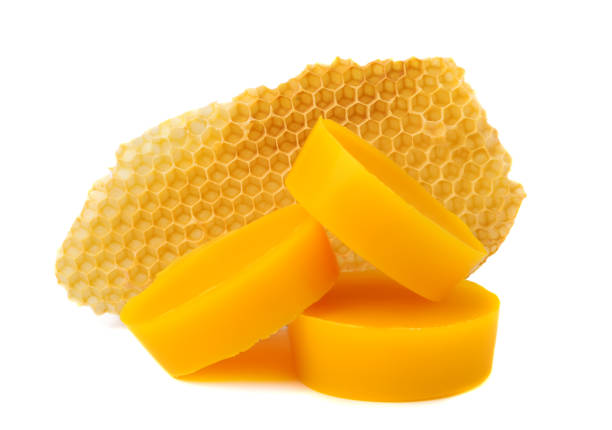
You might’ve heard that beeswax is “nature’s most versatile product”. With your leftover beeswax, you have plenty of options to use it around the house or in your garden! Season cast iron pans, condition your cutting boards and wooden spoons, or prevent rust by coating your garden tools in wax. You can even make your own beeswax lip balm and body butter to treat yourself to some self-care!

Honey and beeswax are as versatile as they come! Make the most out of what you have and experiment with more sweetness in your recipes and around your household.

Posted on

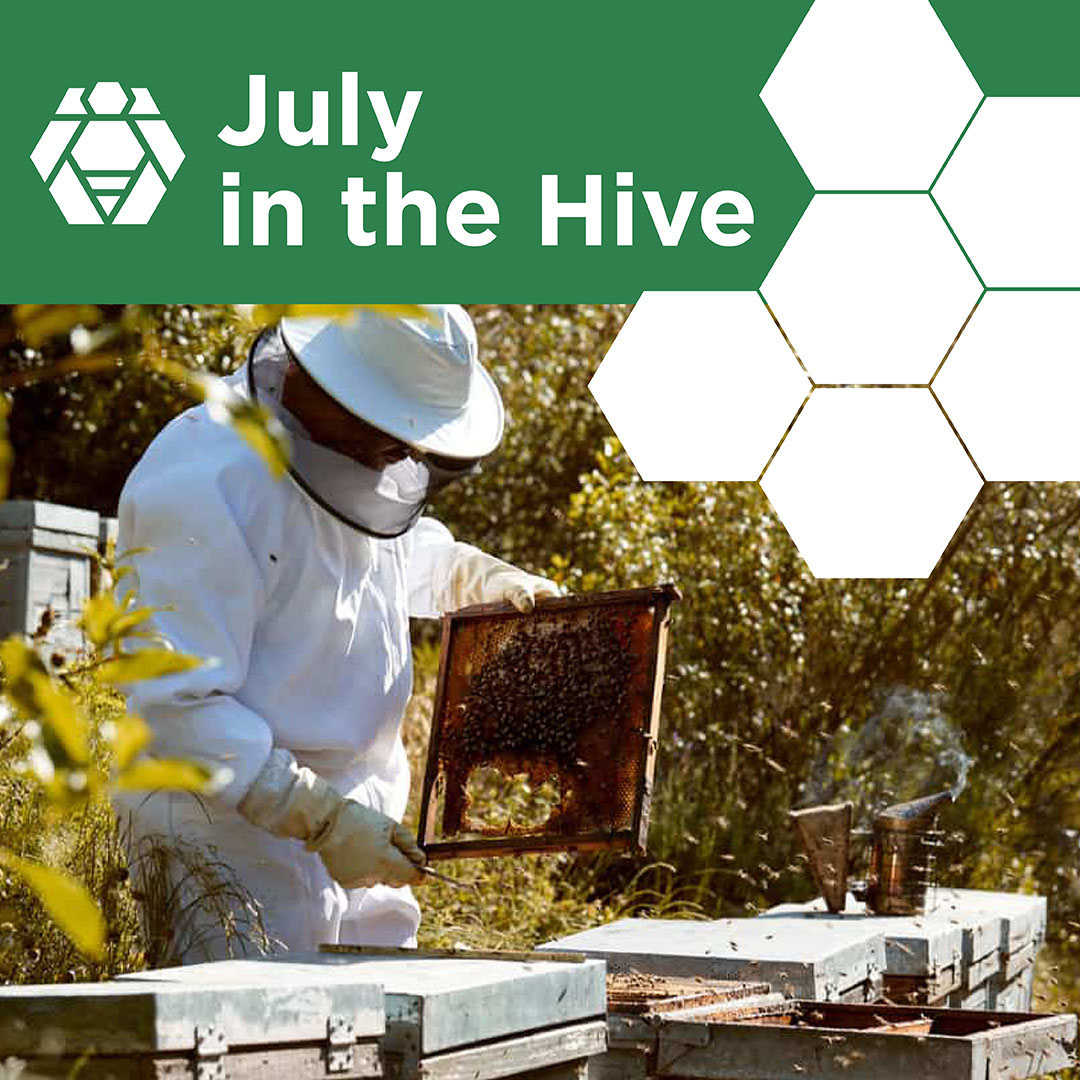
Month in the Hive – July


Summer is prime bee season! Michigan bees have been foraging on all the blossoming flowers and trees, including sumac, milkweed, basswood and clover, in order to create a robust nectar flow.

Now that we’re in July, West Michigan bees are busy making honey in their hives. For beekeepers, there isn’t a need to be constantly digging around in the hive unless you’re managing swarm prevention. Be patient if you see a swarm as they usually disband, often within about 15 minutes or an hour.

During July’s hot and humid days, you may notice bees resting outside of the hive. This is completely normal as this is their way of keeping cool.

Throughout the month of July, continue weekly hive inspections, looking for the queen, and checking on the overall health of the hive.

Posted on

We MOVED! Come see us at our new location on Warner Avenue in Fremont


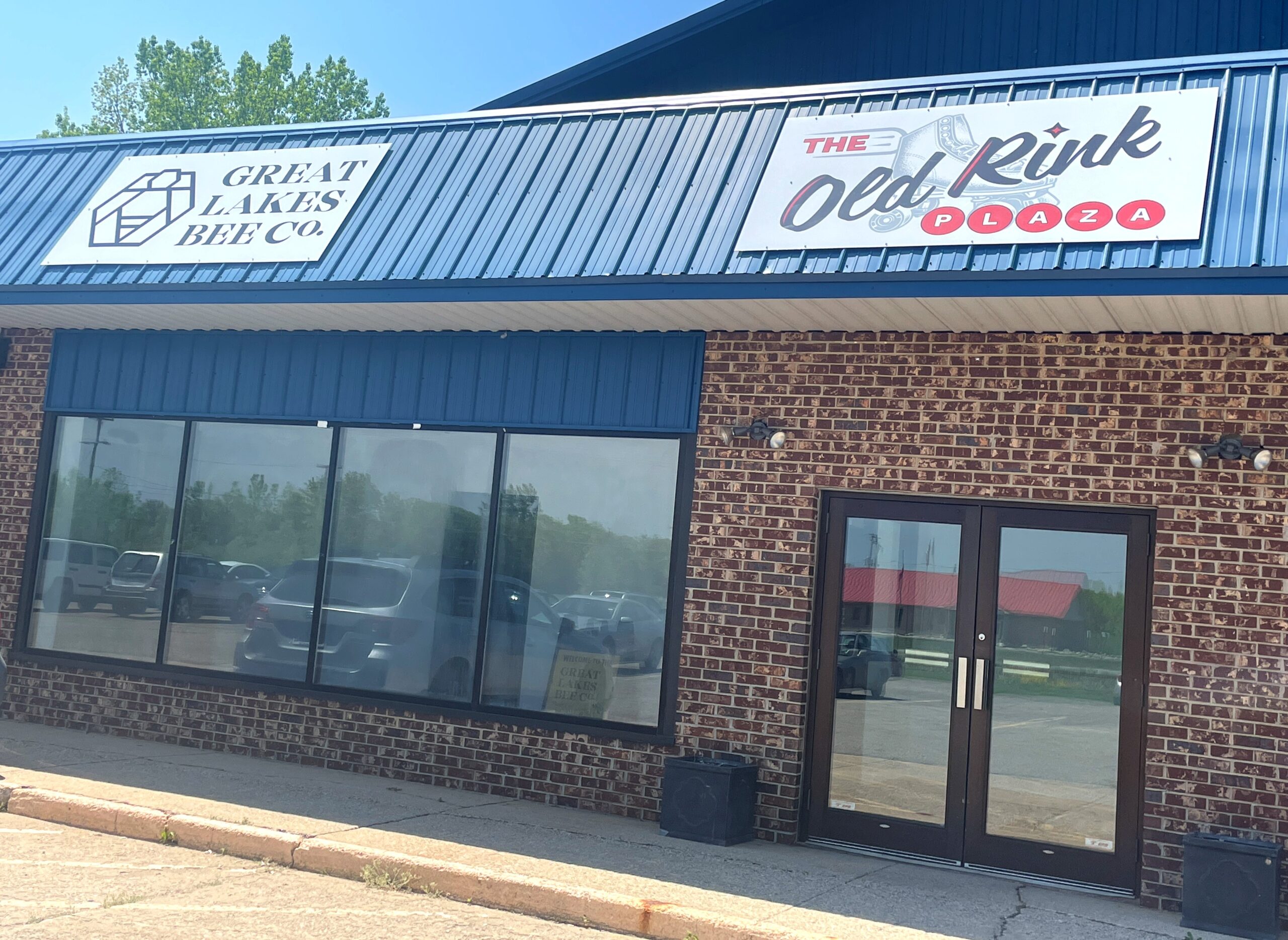
Have you heard the news … WE’VE MOVED!! We’re now located in the Old Rink Plaza, 5973 S. Warner Ave., just down the road from Fremont High School! We are currently only open for in-person shopping by appointment at this time until we get fully settled.

As always, we are open online 24/7 at www.GreatLakesBeeCo.com (Any orders placed online, can be picked up without having to make an appointment).

To schedule an appointment, email: info@greatlakesbeeco.com

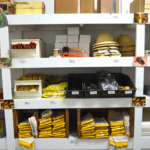
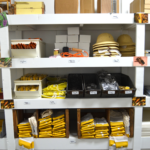
Here’s a sneak peek inside our new space!

Posted on

Great Lakes Bee Company featured in The Metropolitan


Writer and gardner Jamiel Dado joined us for our second beekeeping class in March. In his article, “Beeing There,” for The Metropolitan, Jamiel wrote about his journey to Kropscott Farm Environmental Center and observations and discussions from our bee class.

In his article, Jamiel writes:

“Stefan (Braun) turned out to be a very affable teacher and made the time fly. He made it quite clear from the beginning that keeping bees would result in getting stung quite often. He said that he gets stung on average 50 times a year. He explained that although he wears the protective headgear, he doesn’t usually wear the gloves. I could imagine that they would be bulky and thus difficult to handle things. At this point, a retired doctor in the group informed the class that bee sting therapy was still widely used in the treatment of arthritis. So, I guess it’s a positive thing? It became clear during the presentation that many things the beekeeper does to the bees ends up making them angry, explaining the large amount of stinging involved. His main advice regarding the stinging was to get the stinger out as soon as possible.

One of the controversial aspects about beekeeping (and there are several) that I have come across is the notion that when you harvest honey from the hive, you essentially starve the bees during the winter. I was happy to learn during the course of the day that this is not the method of the responsible beekeeper. Each hive of bees needs between 60-100 pounds of honey to get through the winter. This is accomplished in the space of two supers filled with honeycombed nucs. Once these are filled, additional supers and nucs are placed on top and those are soon filled as well. Stefan asserts that bees are naturally overachievers and will produce much more honey than they need to get through the winter. On average, using this method will supply you with 50-100 pounds of excess honey to harvest per hive!

That’s a lot of honey!

Way to go bees!

One of the best pieces of advice that Stefan stressed on more than one occasion was to find a local bee club to find a mentor and resources. Most bee clubs will have important equipment needed to harvest honey and will usually share or rent it out to members.

If the idea of having a surplus of honey and a new hobby interests you, then I would recommend learning a thing or two from Stefan and the Great Lakes Bee Company. In addition to the classes, they sell bees to get you all set up. In fact, you can purchase nine frame “nucs” that will give you a head start on your honey production.”

Thank you, Jamiel, for joining us at our beekeeping class and writing a fun story about beekeeping!

Read Jamiel’s full article in The Metropolitan, here.

Posted on

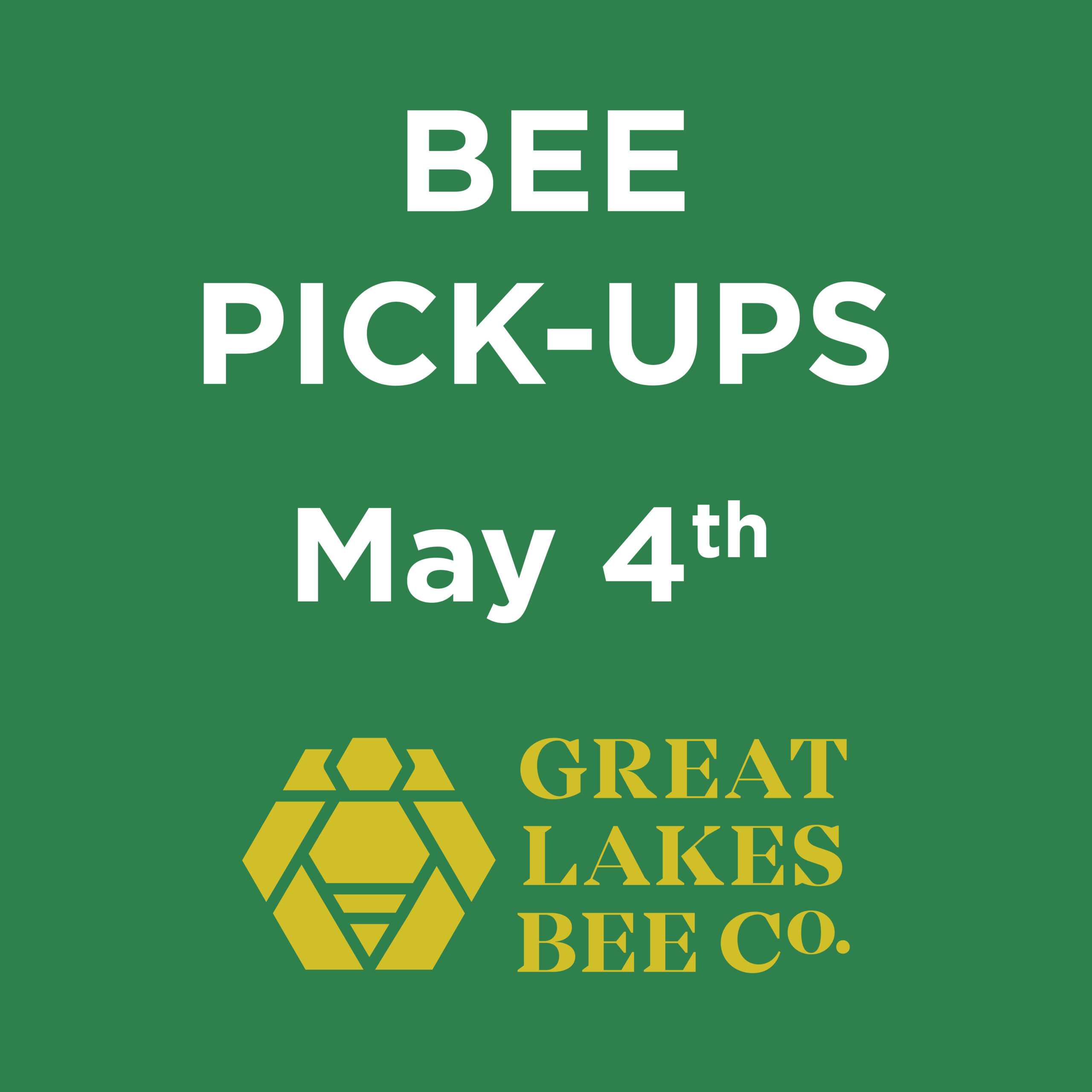
2024 Spring Bee Pickup on Saturday, May 4: What you need to know


Dear Beekeepers,

2024 Bee Pick-Up Day is Saturday, May 4!

Time: 8 a.m. to 5 p.m.

Pick Up Address:
Great Lakes Bee Company
5973 S. Warner Avenue
Fremont, MI  49412

Check or Cash helps keep costs down. If you prefer to use a card, a 3% card fee will be added at time of payment. Payments will be due at pick up.

Packaged bees and 5 frame nucs:

  • These are contained and easy to transport. They will need air and circulation, but no additional box or covering is needed.

9 Frame Nucs:

  • You will need a bottom board, outer cover and set of ratchet straps for each nuc.  We have bottoms, covers and straps available at pick up if needed.  9 Frame nucs travel well in the back of a truck, van, roomy trunk.  Be sure it has plenty of ventilation so bees won’t overheat.

We have a wide variety of woodenware and bee equipment available for purchase at pick up.

Keep your eye out for more updates on our social channels as we get closer!

Any questions: text (231) 335-0929 or email info@greatlakesbeeco.com

We can’t wait to see you on Saturday, May 4!

– Great Lakes Bee Company 


Posted on

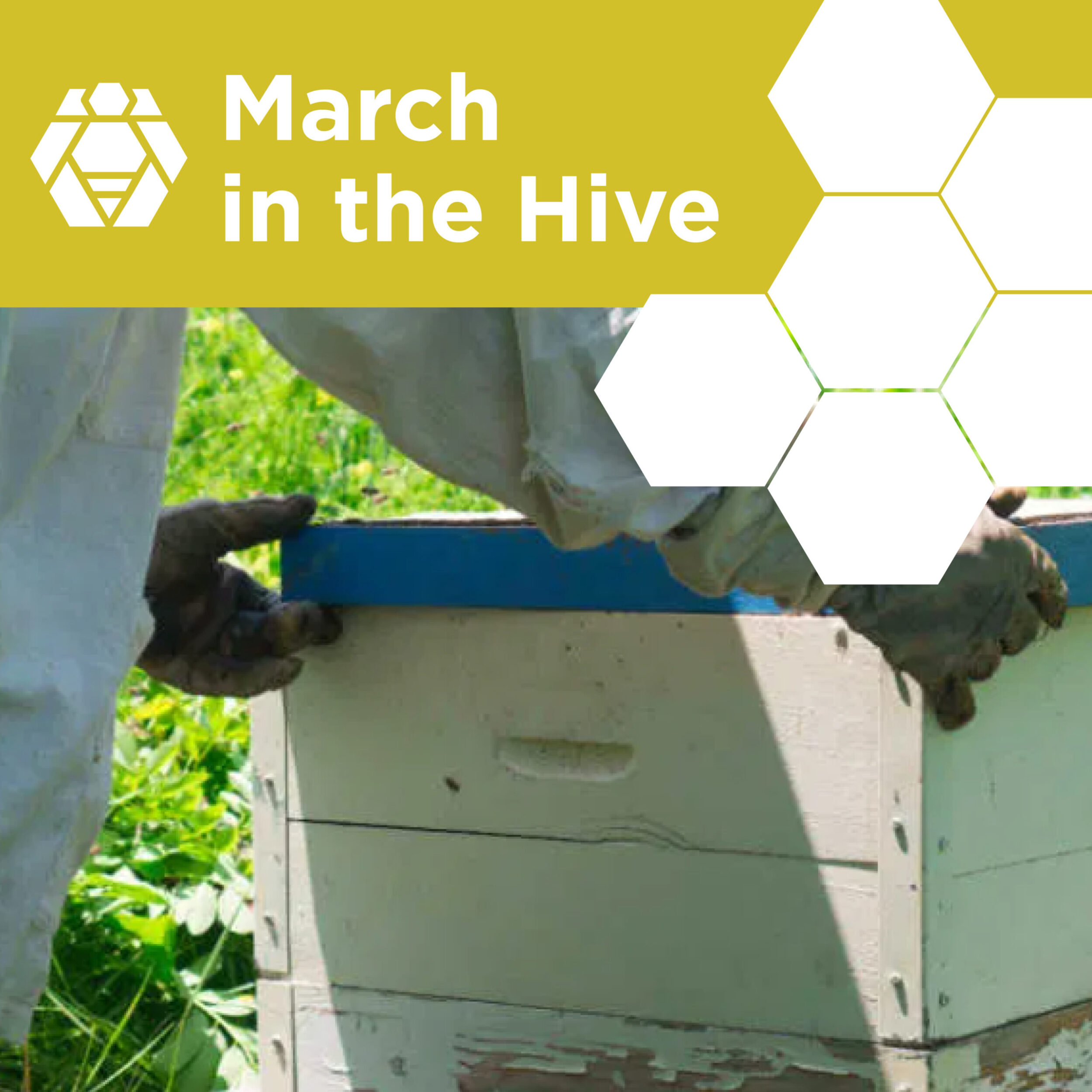
Month in the Hive – March


Spring has officially sprung in West Michigan! As the snow disappears and temperatures become a bit warmer, it’s time to get out and check on your hives more regularly.

In early spring, it’s common for colonies to die of starvation. However, if you’ve fed your bees with plenty of sugar syrup in the fall, they should be okay. Bees need more food during this time of year for brood rearing, but can’t forage just yet. That’s why it’s important to check their food stores when the weather is mild. We recommend hives have at least three or four combs full of honey to get them through the next couple of months until nectar and pollen are available and accessible outside. If there isn’t any sealed honey in the top frames, you may need to begin some emergency feeding. You can use dry sugar, fondant, or a candy board, or replace empty combs with combs of capped honey.

Keep in mind when feeding, we recommend keeping the frames intact, and just peeking under the cover. The bees’ proximity to their food source is key. If the cluster is far to one side of the food, you can carefully move it closer, keeping it together while you do so, or move frames of honey closer.

With the days growing longer, the queen steadily increases her rate of egg laying as well. More brood means more food consumed. The drones begin to appear, and bees will continue to consume honey stores. Feeding protein patties is an optional practice to ensure that bees have access to protein for brood rearing. Generally, bees will slowly begin to forage for pollen when the weather is dry and warm. Pollen provides much-needed protein for larval development. But when they can’t forage due to cold and wet weather, protein patties serve as a great source of protein and cover for periods when the colony continues to raise brood. Beekeepers can choose to feed protein patties throughout the spring or choose to monitor weather conditions and the pollen intake into the hive to ensure their bees are getting the necessary protein they need.

Next up: Preparing and planning for the upcoming season!