Posted on

Michigan Agriculture magazine features Great Lakes Bee Co. in latest 2026 edition

Great Lakes Bee Company feature in Michigan Agricultural Magazine


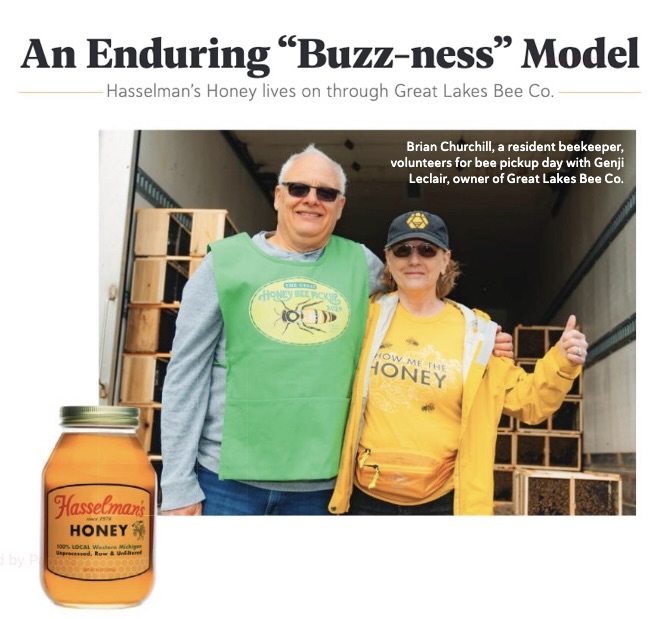
Great Lakes Bee Company and Hasselman’s Honey were featured in the latest 2026 edition of Michigan Agriculture magazine, in partnership with the Michigan Department of Agriculture & Rural Development.

You can read about our origins, a few helpful beekeeping tips, and the important friendship between Larry Hasselman, Genji Leclair, and bees!

When Genji Leclair moved to Michigan a little over a decade ago, she knew she wanted a beehive. She wasn’t expecting to inherit an entire honey-making business, though.

Check out the full article here.

Posted on

Sweeten up your valentine’s day with sayla bee!


Whether you’re celebrating Valentine’s Day with your honey or looking to add a sweet touch to your night, we’ve got your back!

Historically Sweet

Did you know that many cultures associate honey as a symbol of love and romance? Ancient Egyptian newlyweds were traditionally given jars of honey to ensure sweetness and harmony in marriage. In Greece, honey is often associated with Aphrodite, the goddess of love and beauty, and was thought to be used in love potions to ignite passion and desire. The term “honeymoon” even dates back to medieval times when newlyweds drank wine made from honey to celebrate their union.

Modern Sweetness

Honey continues to remain a symbol of love in today’s modern era – and is often used in everyday recipes or special occasions, like Valentine’s Day.

Valentine’s Day Honey and Chocolate Brownies

When celebrating Valentine’s Day, we think honey and chocolate make the perfect marriage of romantic flavors. To make the perfect batch of Valentine’s Day honey and chocolate brownies, we recommend mixing a decadent chocolate with a selection of flavors from our SayLa Bee line of infused honey:

Ingredients:

  • 1/2 cup unsalted butter, melted
  • 1/2 cup cocoa powder
  • 3/4 cup your choice of honey – we recommend orange, rose, and cinnamon!
  • 2 large eggs
  • 1 tsp vanilla extract
  • 3/4 cup all-purpose flour
  • 1/4 cup chocolate chips (optional)

Instructions:

Preheat the oven to 325°F. Line an 8×8” baking pan with parchment paper. In a medium bowl, whisk the melted butter and cocoa powder until smooth. Add honey, eggs, and vanilla. Whisk vigorously until the batter is completely combined. Gently fold in the flour and chocolate chips. Pour into the baking pan and smooth the top. Bake for 25-30 minutes. The center should still be slightly soft (they will firm up as they cool). Let cool completely before cutting into squares. Garnish as desired— we suggest powdered sugar, or zest to pair with your choice of infused honey!

Posted on

Great Lakes Bee Company Launches New Michigan-Made Honey In Celebration Of Honey Harvest Month


Continuing our celebration of National Honey Month this September, let’s properly introduce our two latest Michigan-made honey collections, SayLa Bee Infused honey, and our new brand of raw, unfiltered Michigan Wild Honey – both hand bottled right at the Great Lakes Bee Company facility in Fremont!

Our SayLa Bee Infused honey is pure, unfiltered, raw Michigan honey that is infused with a variety of flavors, ranging from sweet, fruity flavors like blueberry and apricot, to richer flavors like chocolate and cinnamon. There are a total of 18 SayLa Bee Infused honey flavors, and each come in the 6oz and 12oz options.

Our SayLa Bee products not only taste delightful, but nourish the body and soul – rose calms and relaxes, while orange supports immunity, and chocolate is a mood booster. Every ingredient that we use adds something special to our food and health!

Our Michigan Wild Honey is raw and unfiltered from hives across Michigan. The honey is carefully extracted, strained and filled without overheating. The summer harvest of Michigan Wild Honey captures the diverse flavors of area wildflowers, flowering trees, clover, lavender and thistle all blended into a lovely natural mix of medium-amber Michigan deliciousness.

You can shop the SayLa Bee collection and Michigan Wild on our website.


Posted on

July in the Hive


This month in the hive, we’re keeping our bees cool. On humid days, you might notice bees resting outside of the hive, which is their way of cooling off. Most of the time, bees can fan hot air out of their hives. But when the outdoor temperature reaches the upper 90s and into the 100 degrees, the heat might be too much for them. Luckily, there are methods you can take to protect your bees during extreme heat.

A water source is best for cooling down your bees when it’s hot outside. Bees tend to favor water from ponds, creaks, and streams. You can set up a small bee pond easily with buckets or barrels, which you can fill with water and floating plants like water lettuce or water hyacinth. You could also invest in a trickling fountain, as long as the current isn’t too strong. Bird baths are also perfect for bees, though introducing a second bath may be a good idea as bees can sometimes deter birds from using the same bath. In your bee bath, add rocks to the water to provide an additional landing area for the bees.

Another simple method for cooling off your hives is providing them plenty of shade. Set up an umbrella or tarp over your hives, or keep them in shaded areas, such as underneath trees. Metal hive roofs, though durable and stylish, might also be exacerbating the heat in your hives. Try covering your metal with something light colored, like white sheets or plywood.

Those are just a few ways to help your bees beat the heat this summer. While they may prefer the warmer weather all year round, sometimes it can get too intense for the hives, and they may shut down brood production or even lose colonies. Keep a careful eye on the rising temperatures and your hives moving forward!

Posted on

June in the Hive


Summer is here! Bees will be building up their populations through June 21, which should have been a turning point for your bee hives. Your queen will be starting to take cues from the sun and slow down bee production. This is around the time you should anticipate the main honey flow.

The timing for adding and removing the honeycombs is very important: Removing the honeycombs too early might risk having honey that has too much water in it, which could lead to fermentation. Removing them too late may lead to overcrowding in the hive, which may trigger swarming – for tips on managing a swarm, check out one of our previous blogs about swarms.

Generally, the best time to remove the honeycomb is when it is at least 3/4 full. There are a few methods to check if the honey is ripe: Observe if bees are actively fanning at the hive entrance, which indicates they are still reducing moisture in the honey. Harvest only when fanning activity decreases significantly. When you have confirmed that the bees are no longer fanning the hive entrance, you can take the frame, shake it, and if the honey does not drip, it means it is ready to be removed. However, if the weather is warm enough, using the shake method it may be hard to differentiate if the honey has too much water or is just too warm.

Another way to tell is to harvest your honey only when at least 80-90% of the honeycomb cells are capped with wax by the bees. Capped honey typically has a water content of 16-17% or lower, as bees reduce moisture through fanning before sealing. You can also measure the water content directly with a calibrated refractometer. Take small samples from multiple frames to ensure consistency. A reading of 17% or below indicates the honey is ready for extraction.

By combining these methods, particularly waiting for capping and using a refractometer, beekeepers can reliably ensure honey is below 17% water content before pulling it from the hives.

June will be filled with tons of activity from your bees! By paying close attention and listening to the natural rhythms of your hives, you’ll be sure to enjoy a successful harvest.

Posted on

May in the Hive

Great Lakes Bee Company - May in the Hive graphic


Welcome back to bee season! Your bees should be settling into their hives, and they may even be in a good mood if they have access to plenty of flowers and greenery. For tips on gardening catered to your bees, check out our recent gardening blog! Bees can be easier to work with in environments they like!

There’s no need to frequent hive check-ups this month. You can still monitor your bees, but excessive interference can disrupt their natural activities and reduce productivity. Checking on the hive sparingly will help maintain the bees’ productivity and won’t interrupt their natural rhythm.

We loved seeing all of your faces for Bee Nuc Pickup Day earlier this month! Photos from the event are below. We also posted additional photos on our Instagram and Facebook channels, where you can always hear the latest buzz about upcoming events, promotions, and news.

Posted on

2025 Spring Bee Nuc Pickup Info for Saturday, May 10


Dear Beekeeper,

Hooray!! Bee season is here! Your bee nucs will be ready for pickup on Saturday, May 10! Check your email for an updated email from us that was sent out to nuc customers today (May 7)!

We can’t wait to see all of our busy beekeepers! Here are a few friendly reminders and details about Bee Pick-Up day:

DATE: Saturday, May 10

TIME: 8 a.m. to 5 p.m. – Stop by anytime during that timeframe to pick up your bee nucs!

LOCATION: Pick-Up Address: Great Lakes Bee Company, 5973 S. Warner Avenue, Fremont, MI 49412

5 frame nucs:

  • These are contained and easy to transport. They will need air and circulation, but no additional box or covering is needed.

Beekeepers can take 25% equipment during pick-up.

Check or Cash helps keep costs down. If you prefer to use a card, a 3% card fee will be added at time of payment. Payments will be due at pick up.

Any questions – text (231) 335-0929 or email info@greatlakesbeeco.com

Your bees are excited to see you!

– Great Lakes Bee Company 

Posted on

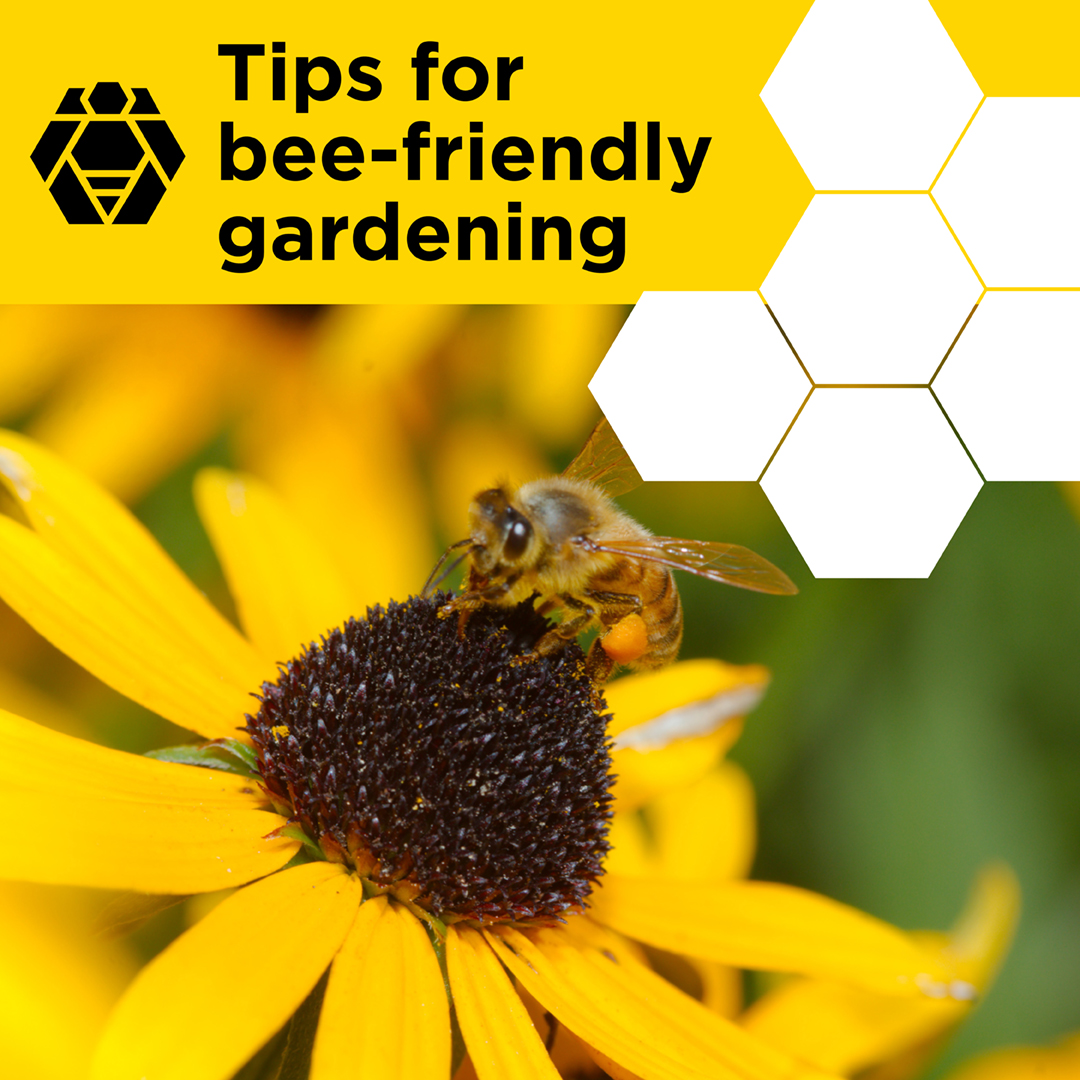
Tips for a Bee-friendly garden!


Spring has sprung! Now that bees will soon be getting to work in their hives, you can put in some extra work for them too! Many beekeepers are natural garden tenders. But you can support our buzzing pollinators even without a green thumb. Just purchase wildflower seeds for easy planting, or follow the suggestions below for a more in-depth look at your garden!

  • The most important detail for maintaining a bee-friendly garden is avoiding chemicals. That means no pesticides or herbicides, which are toxic to bees and can negatively effect plants and other beneficial insects.
  • To encourage bees and other pollinators to visit your garden, you can provide bird baths, a dripping hose, sugar water, or any shallow water source.
  • We suggest planting flowers with steady blooms from spring until fall to keep your bees in the garden across seasons. Some of these include:
    • Black-eyed Susan
    • Coneflower
    • Shasta daisy
    • English lavender
    • Threadleaf coreopsis
    • Catmint
  • Reducing weeding will also provide a very important food source for your bees, which includes dandelions, clovers, and milkweed. These are not only tasty for honeybees, but they protect your soil and benefit the microorganisms that live there. Like they always say, “bountiful life below means plentiful life above.”
  • If you’d like to focus on seasonal specific planting, these are some of your best options that are favored by bees:
    • Spring season (April-late May): bluebell, pussy willow, dandelion viburnum, dicentra, crocus, lungwort
    • Early summer (early June through late July): poppy, campanula, globe thistle, comfrey, allium, thyme, borage, hollyhock, sweet pea
    • Late summer (late July through early September): honeysuckle, Echinacea, sedum, buddleia, cornflower, foxglove, nasturtium, ivy
  • Flowers are not the only beneficial plant to keep in your garden. Fruits, vegetables, and herbs can also be pollinated by bees, which in turn will increase your chances for an excellent harvest. Flowering produce include:
    • Pumpkin
    • Broccoli
    • Squash
    • Cucumber
    • Tomato
    • Watermelon
    • Strawberries
    • Blueberries
    • Basil
    • Sage
    • Thyme
  • Lastly, shrubs and trees can also be grown to help your bees. Consider including black cherry and red maple trees, as well as elderberry, blackhaw, and buttonbushes in your garden for diversity in your greenery.

According to the U.S. Fish & Wildlife Service, as of 2020 there are more than 70 species of pollinators currently listed as endangered or threatened. Providing flowers and vegetation for the bees in your hive as well as local wild pollinators will benefit not only your garden but also nature at large!

Posted on

2025 Spring Bee Packages/Queens Pickup Info for April 22-26


Dear Beekeeper,

Hooray!! Your bee packages and queens are arriving on Tuesday, April 22! We’re doing pickups a little differently this year to help reduce long lines and bee more customer friendly 😊

If you have already arranged an appointment with us for your bee pickups, we’ll see you at your scheduled timeframe!

If you have not scheduled a timeframe with us to pickup your bees, we’re offering the following three-hour windows starting Tuesday afternoon, April 22 and running through Saturday, April 26. You may choose any of the timeslots below to pick up your bees:

Package/Queen Pickups:

  • Tuesday, April 22:
    • 2 – 5 p.m.
  • Wednesday, April 23-Friday, April 25:
    • 8 – 11 a.m.
    • 11 a.m. – 2 p.m.
    • 2 – 5 p.m.
  • Saturday, April 26:
    • Anytime between 8 a.m. – 4 p.m.
    • This is the last possible day for packages and queens pickup

Pick-Up Address: Great Lakes Bee Company, 5973 S. Warner Avenue, Fremont, MI  49412

Beekeepers can take 25% equipment during pick-up.

Check or Cash helps keep costs down. If you prefer to use a card, a 3% card fee will be added at time of payment. Payments will be due at pick up.

Any questions – text (231) 335-0929 or email info@greatlakesbeeco.com

See you soon!

– Great Lakes Bee Company 

P.S. If you also ordered bee nucs from us, we’ll send nuc pickup information as it gets closer to that pickup date on May 10!

Posted on

April in the Hive


Good friend of the Great Lakes Bee Company Larry Hasselman once told us “the hardest part of beekeeping is lighting the smoker!” Beekeeping novices and veterans alike may find themselves needing to refamiliarize themselves with their beekeeping equipment as spring rolls around.

Let’s walk through the basic and most essential equipment to help you get started!

Hive Tool

  • Hive tools are an essential and versatile piece in your beekeeping toolkit. When bees glue everything in the hive together, the hive tool allows you to detach the combs from the sides of the hive, cut and scrape propolis, and even remove nails or take apart boxes.

Smokers and fuel

  • Bees are naturally aggressive creatures, which is why beekeepers use smokers to make their bees docile. Smokers mask the pheromones let out by guard bees, which minimizes the defensive reaction from the colony, allowing for effective and safe hive inspections.

Queen clip

  • Queen clips are used to pick up or hold a queen bee. The clip acts as a cage that contains the queen, but the bars still permit worker bees to pass through and attend to the queen’s needs. The clip helps protect the queen during any work that needs to be done inside the hive.

Feeders

  • Feeders are convenient for feeding bees and checking on your sugar syrup levels without needing to open your beehive. Typical entrance feeders have a jar filled with syrup that drips onto a tray, which is inserted to the front of the hive.

Protective gear

  • The most important equipment in your arsenal will be your protective gear. Veils and gloves protect your head and face from any arrant aggressive bees, and prevent stings.

All of this equipment and more is available in our online store!

AND … If you’re looking to purchase bees, we still have 5 Frame Nucs and Mated Queens available for purchase online!

Our 2025 Spring Bee Pick-Ups dates are:

  • Packages & Queens: Tentatively scheduled for Saturday, April 19
  • Nucs: Confirmed for Saturday, May 10
  • Location: Great Lakes Bee Company, 5973 S. Warner Avenue, Fremont, MI 49412
  • More info: https://bit.ly/2025_GLBC_BeePickups