Posted on

Honey Bees Now Available For 2026 Season

A wooden frame and screen filled with bees.


Great Lakes Bee Company will soon welcome honey bees back to Michigan to help backyard beekeepers in the region keep a healthy supply of pollinators for the year.

For 2026, GLBC has partnered with Olivarez Honey Bees (OHB) to bring premium three-pound packages of Carniolan, Golden West, Italian, and Saskatraz honey bees to backyard beekeepers in the Great Lakes region. Additionally, GLBC offers 5-frame and 9-frame nucs for first-season or expert beekeepers to add to their colonies. Both bee packages and nucs are available for purchase here in our store at TheGreatLakesBeeCo.com. Bee package pickup is scheduled for mid-April, while nucs are scheduled for early- to- mid-May.

“Bees play a vital role in Michigan’s agriculture,” said Genji Leclair, GLBC owner and expert beekeeper. “From fruit orchards to vegetable crops, bees are responsible for a significant portion of the food we enjoy every day. By continuing the tradition that Larry Hasselman started over 50 years ago, and being a local resource for beekeepers, we’re ensuring that our bee communities and the industries they serve remain strong throughout Michigan.”

Since 2016, GLBC has been a trusted expert in bees and beekeeping and understands how bees benefit Michigan’s economy and agriculture. The Fremont, Michigan-headquartered business continues the legacy of Hasselman’s Honey, founded by Larry Hasselman in 1974. In addition to bees, beekeeping equipment and beeswax products, GLBC sells its honey and infused honey wholesale to many retail outlets throughout Michigan, including Meijer, Whole Foods, Superior Foods, and Spice and Tea Merchants, and online.

“We are proud to partner with Olivarez Honey Bees in order to bring exceptional bees to our region’s backyard beekeepers,” said Genji Leclair, GLBC owner and expert beekeeper. “OH Bees is a trusted supplier and well known in the apiary community for raising resilient bees. Their dedication, caregiving, and bee expertise are invaluable to us as a honey bee distributor and plays a significant role in safeguarding the bee population.”

Olivarez Honey Bees is a family-owned business with three generations of beekeeping expertise. With locations in Northern California, Montana, and on Hawaii’s Big Island, OHB breeds more than 16,000 colonies of queens and package bees throughout the United States and Canada.

“These carefully chosen locations allow us to provide our bees with the purest environments and the best food sources, and to offer our customers premium, quality queens and bees year-round,” said Ray Olivarez, owner of Olivarez Honey Bees. “As a leader in the beekeeping industry, OHB replenishes hives across North America with strong, healthy, disease-resistant queens and bees that are excellent pollinators and phenomenal honey producers.”

When OHB bees arrive in Fremont, Michigan, in April and May, they will begin to forage on basswood, alfalfa, star thistle, and West Michigan flowers to create 150,000 pounds Michigan Honey. In addition to producing honey under the Hasselman, Michigan Wild, and SayLa Bee Infused Honey brands, the bees are also hired to help pollinate various crops including: almonds (January); apricots, sweet cherries, peaches and plums (April); tart cherries, pears, blueberries and apples (May).

Posted on

Michigan Agriculture magazine features Great Lakes Bee Co. in latest 2026 edition

Great Lakes Bee Company feature in Michigan Agricultural Magazine


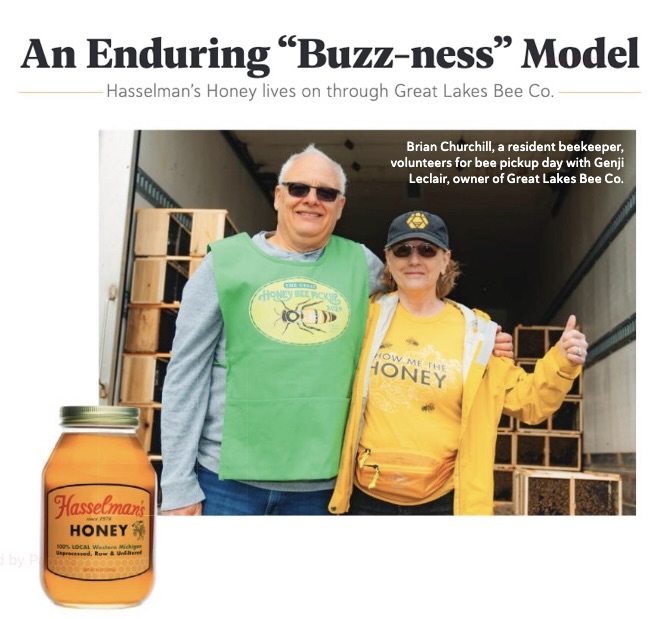
Great Lakes Bee Company and Hasselman’s Honey were featured in the latest 2026 edition of Michigan Agriculture magazine, in partnership with the Michigan Department of Agriculture & Rural Development.

You can read about our origins, a few helpful beekeeping tips, and the important friendship between Larry Hasselman, Genji Leclair, and bees!

When Genji Leclair moved to Michigan a little over a decade ago, she knew she wanted a beehive. She wasn’t expecting to inherit an entire honey-making business, though.

Check out the full article here.

Posted on

Sweeten up your valentine’s day with sayla bee!


Whether you’re celebrating Valentine’s Day with your honey or looking to add a sweet touch to your night, we’ve got your back!

Historically Sweet

Did you know that many cultures associate honey as a symbol of love and romance? Ancient Egyptian newlyweds were traditionally given jars of honey to ensure sweetness and harmony in marriage. In Greece, honey is often associated with Aphrodite, the goddess of love and beauty, and was thought to be used in love potions to ignite passion and desire. The term “honeymoon” even dates back to medieval times when newlyweds drank wine made from honey to celebrate their union.

Modern Sweetness

Honey continues to remain a symbol of love in today’s modern era – and is often used in everyday recipes or special occasions, like Valentine’s Day.

Valentine’s Day Honey and Chocolate Brownies

When celebrating Valentine’s Day, we think honey and chocolate make the perfect marriage of romantic flavors. To make the perfect batch of Valentine’s Day honey and chocolate brownies, we recommend mixing a decadent chocolate with a selection of flavors from our SayLa Bee line of infused honey:

Ingredients:

  • 1/2 cup unsalted butter, melted
  • 1/2 cup cocoa powder
  • 3/4 cup your choice of honey – we recommend orange, rose, and cinnamon!
  • 2 large eggs
  • 1 tsp vanilla extract
  • 3/4 cup all-purpose flour
  • 1/4 cup chocolate chips (optional)

Instructions:

Preheat the oven to 325°F. Line an 8×8” baking pan with parchment paper. In a medium bowl, whisk the melted butter and cocoa powder until smooth. Add honey, eggs, and vanilla. Whisk vigorously until the batter is completely combined. Gently fold in the flour and chocolate chips. Pour into the baking pan and smooth the top. Bake for 25-30 minutes. The center should still be slightly soft (they will firm up as they cool). Let cool completely before cutting into squares. Garnish as desired— we suggest powdered sugar, or zest to pair with your choice of infused honey!

Posted on

Great Lakes Bee Company Launches New Michigan-Made Honey In Celebration Of Honey Harvest Month


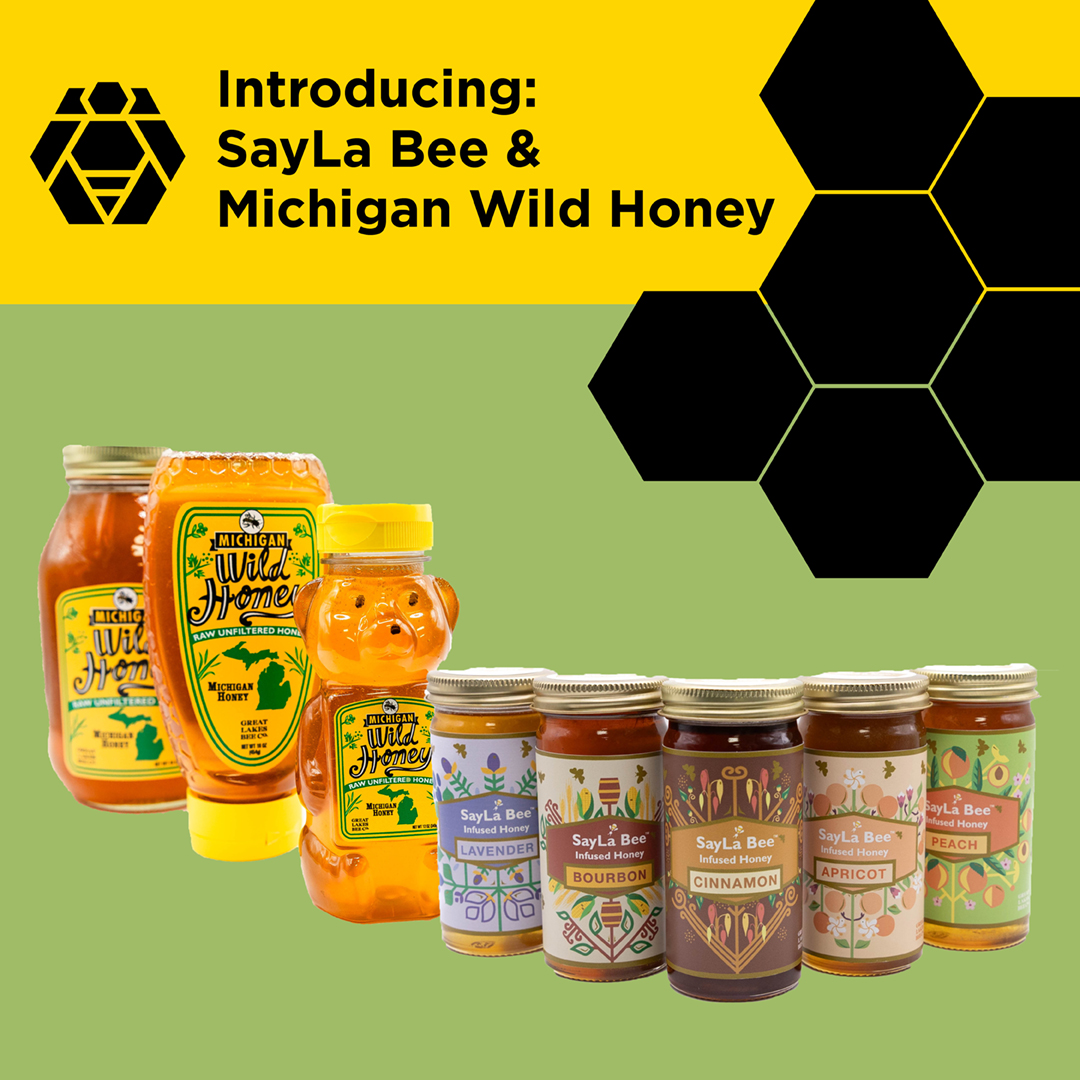
Continuing our celebration of National Honey Month this September, let’s properly introduce our two latest Michigan-made honey collections, SayLa Bee Infused honey, and our new brand of raw, unfiltered Michigan Wild Honey – both hand bottled right at the Great Lakes Bee Company facility in Fremont!

Our SayLa Bee Infused honey is pure, unfiltered, raw Michigan honey that is infused with a variety of flavors, ranging from sweet, fruity flavors like blueberry and apricot, to richer flavors like chocolate and cinnamon. There are a total of 18 SayLa Bee Infused honey flavors, and each come in the 6oz and 12oz options.

Our SayLa Bee products not only taste delightful, but nourish the body and soul – rose calms and relaxes, while orange supports immunity, and chocolate is a mood booster. Every ingredient that we use adds something special to our food and health!

Our Michigan Wild Honey is raw and unfiltered from hives across Michigan. The honey is carefully extracted, strained and filled without overheating. The summer harvest of Michigan Wild Honey captures the diverse flavors of area wildflowers, flowering trees, clover, lavender and thistle all blended into a lovely natural mix of medium-amber Michigan deliciousness.

You can shop the SayLa Bee collection and Michigan Wild on our website.


Posted on

July in the Hive


This month in the hive, we’re keeping our bees cool. On humid days, you might notice bees resting outside of the hive, which is their way of cooling off. Most of the time, bees can fan hot air out of their hives. But when the outdoor temperature reaches the upper 90s and into the 100 degrees, the heat might be too much for them. Luckily, there are methods you can take to protect your bees during extreme heat.

A water source is best for cooling down your bees when it’s hot outside. Bees tend to favor water from ponds, creaks, and streams. You can set up a small bee pond easily with buckets or barrels, which you can fill with water and floating plants like water lettuce or water hyacinth. You could also invest in a trickling fountain, as long as the current isn’t too strong. Bird baths are also perfect for bees, though introducing a second bath may be a good idea as bees can sometimes deter birds from using the same bath. In your bee bath, add rocks to the water to provide an additional landing area for the bees.

Another simple method for cooling off your hives is providing them plenty of shade. Set up an umbrella or tarp over your hives, or keep them in shaded areas, such as underneath trees. Metal hive roofs, though durable and stylish, might also be exacerbating the heat in your hives. Try covering your metal with something light colored, like white sheets or plywood.

Those are just a few ways to help your bees beat the heat this summer. While they may prefer the warmer weather all year round, sometimes it can get too intense for the hives, and they may shut down brood production or even lose colonies. Keep a careful eye on the rising temperatures and your hives moving forward!

Posted on

June in the Hive


Summer is here! Bees will be building up their populations through June 21, which should have been a turning point for your bee hives. Your queen will be starting to take cues from the sun and slow down bee production. This is around the time you should anticipate the main honey flow.

The timing for adding and removing the honeycombs is very important: Removing the honeycombs too early might risk having honey that has too much water in it, which could lead to fermentation. Removing them too late may lead to overcrowding in the hive, which may trigger swarming – for tips on managing a swarm, check out one of our previous blogs about swarms.

Generally, the best time to remove the honeycomb is when it is at least 3/4 full. There are a few methods to check if the honey is ripe: Observe if bees are actively fanning at the hive entrance, which indicates they are still reducing moisture in the honey. Harvest only when fanning activity decreases significantly. When you have confirmed that the bees are no longer fanning the hive entrance, you can take the frame, shake it, and if the honey does not drip, it means it is ready to be removed. However, if the weather is warm enough, using the shake method it may be hard to differentiate if the honey has too much water or is just too warm.

Another way to tell is to harvest your honey only when at least 80-90% of the honeycomb cells are capped with wax by the bees. Capped honey typically has a water content of 16-17% or lower, as bees reduce moisture through fanning before sealing. You can also measure the water content directly with a calibrated refractometer. Take small samples from multiple frames to ensure consistency. A reading of 17% or below indicates the honey is ready for extraction.

By combining these methods, particularly waiting for capping and using a refractometer, beekeepers can reliably ensure honey is below 17% water content before pulling it from the hives.

June will be filled with tons of activity from your bees! By paying close attention and listening to the natural rhythms of your hives, you’ll be sure to enjoy a successful harvest.

Posted on

May in the Hive

Great Lakes Bee Company - May in the Hive graphic


Welcome back to bee season! Your bees should be settling into their hives, and they may even be in a good mood if they have access to plenty of flowers and greenery. For tips on gardening catered to your bees, check out our recent gardening blog! Bees can be easier to work with in environments they like!

There’s no need to frequent hive check-ups this month. You can still monitor your bees, but excessive interference can disrupt their natural activities and reduce productivity. Checking on the hive sparingly will help maintain the bees’ productivity and won’t interrupt their natural rhythm.

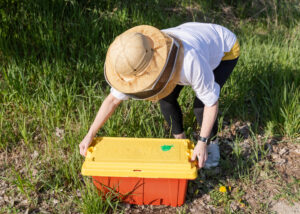
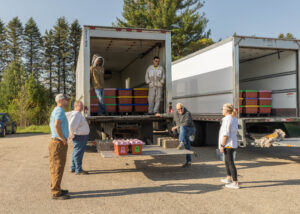
We loved seeing all of your faces for Bee Nuc Pickup Day earlier this month! Photos from the event are below. We also posted additional photos on our Instagram and Facebook channels, where you can always hear the latest buzz about upcoming events, promotions, and news.

Posted on

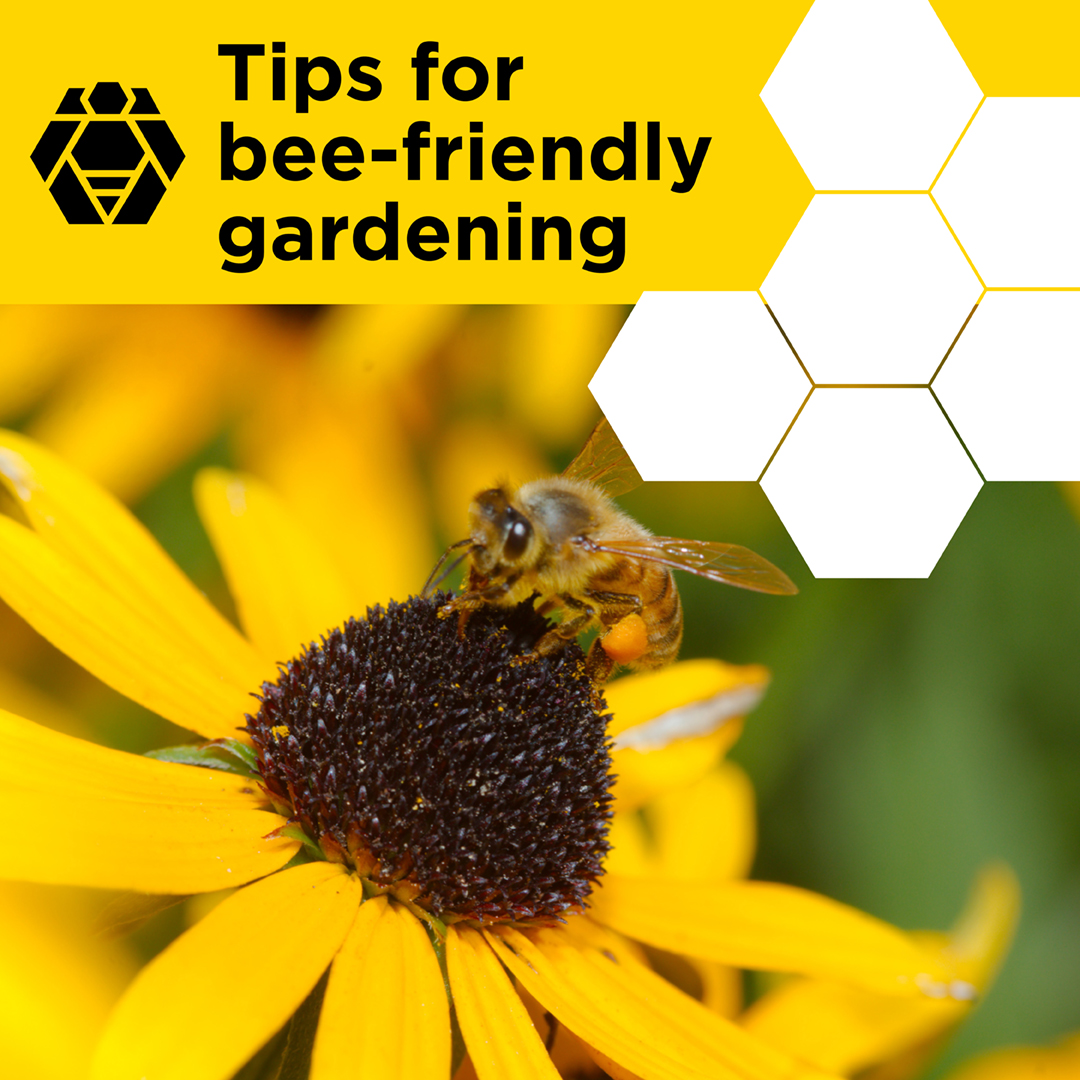
Tips for a Bee-friendly garden!


Spring has sprung! Now that bees will soon be getting to work in their hives, you can put in some extra work for them too! Many beekeepers are natural garden tenders. But you can support our buzzing pollinators even without a green thumb. Just purchase wildflower seeds for easy planting, or follow the suggestions below for a more in-depth look at your garden!

  • The most important detail for maintaining a bee-friendly garden is avoiding chemicals. That means no pesticides or herbicides, which are toxic to bees and can negatively effect plants and other beneficial insects.
  • To encourage bees and other pollinators to visit your garden, you can provide bird baths, a dripping hose, sugar water, or any shallow water source.
  • We suggest planting flowers with steady blooms from spring until fall to keep your bees in the garden across seasons. Some of these include:
    • Black-eyed Susan
    • Coneflower
    • Shasta daisy
    • English lavender
    • Threadleaf coreopsis
    • Catmint
  • Reducing weeding will also provide a very important food source for your bees, which includes dandelions, clovers, and milkweed. These are not only tasty for honeybees, but they protect your soil and benefit the microorganisms that live there. Like they always say, “bountiful life below means plentiful life above.”
  • If you’d like to focus on seasonal specific planting, these are some of your best options that are favored by bees:
    • Spring season (April-late May): bluebell, pussy willow, dandelion viburnum, dicentra, crocus, lungwort
    • Early summer (early June through late July): poppy, campanula, globe thistle, comfrey, allium, thyme, borage, hollyhock, sweet pea
    • Late summer (late July through early September): honeysuckle, Echinacea, sedum, buddleia, cornflower, foxglove, nasturtium, ivy
  • Flowers are not the only beneficial plant to keep in your garden. Fruits, vegetables, and herbs can also be pollinated by bees, which in turn will increase your chances for an excellent harvest. Flowering produce include:
    • Pumpkin
    • Broccoli
    • Squash
    • Cucumber
    • Tomato
    • Watermelon
    • Strawberries
    • Blueberries
    • Basil
    • Sage
    • Thyme
  • Lastly, shrubs and trees can also be grown to help your bees. Consider including black cherry and red maple trees, as well as elderberry, blackhaw, and buttonbushes in your garden for diversity in your greenery.

According to the U.S. Fish & Wildlife Service, as of 2020 there are more than 70 species of pollinators currently listed as endangered or threatened. Providing flowers and vegetation for the bees in your hive as well as local wild pollinators will benefit not only your garden but also nature at large!

Posted on

Paint and show off your hives!


Now that the weather in West Michigan is slowly but surely getting warmer and sunnier, you may be eager to get out of your house and into your hives! Though it’s not quite time to get bees into their boxes yet, you should still be preparing your equipment and hives for when that day comes.

Painting your boxes can be a fun and beneficial project this time of year. Many people have found that painting their hives helps them weather the elements and may make the hives last longer. Some even use paint as a way to camouflage their colonies in the environment. However, you must take care during certain parts of the process so you don’t damage the hives or endanger your bees.

Start by coating the exterior of the hive in primer. Oil-based exterior primer works best for weather protection, but any house primer should get the job done. Primer is important to seal and protect the wood, and will help final coats of paint adhere to the surface better. Make sure you’re only painting the outside pieces of the hives, and allow ample time for the primer to dry before you move onto the final painting process.

It’s also important to consider what type of paint you’re using. In general, look for water-based paints that are rated for their exterior use, or eco stains. You can find information on volatile organic compounds, or VOCs, which are chemicals that evaporate out of the paint as it dries. To prevent chemicals from affecting your bees and their pheromones, look for paints with VOCs under 100. We recommend ECOS paints, which are zero-VOC with good coverage, adhesion, and mildew resistance.

Now it’s time to paint! Unless you’re opting to camouflage your boxes, feel free to get creative. One thing to consider when choosing colors is that darker paints may cause the hive to get too hot in the summer sun. However, this may be to your benefit if you live in a cooler area. Lighter, reflective colors will be beneficial for those in warmer climates as they tend to keep the hives cool. Depending on the design, you may be able to get a good mix of both. This may be a good opportunity for you to get together with your community of local bee keepers! Work on building new hives or preparing your old ones by hosting a painting party. This can also be a great activity for children, who may come up with their own unique designs.

Have you painted your hive boxes before, or are planning a painting party? Send photos to our Facebook, or tag us in your posts! We’d love to feature your work on our social pages.

Posted on

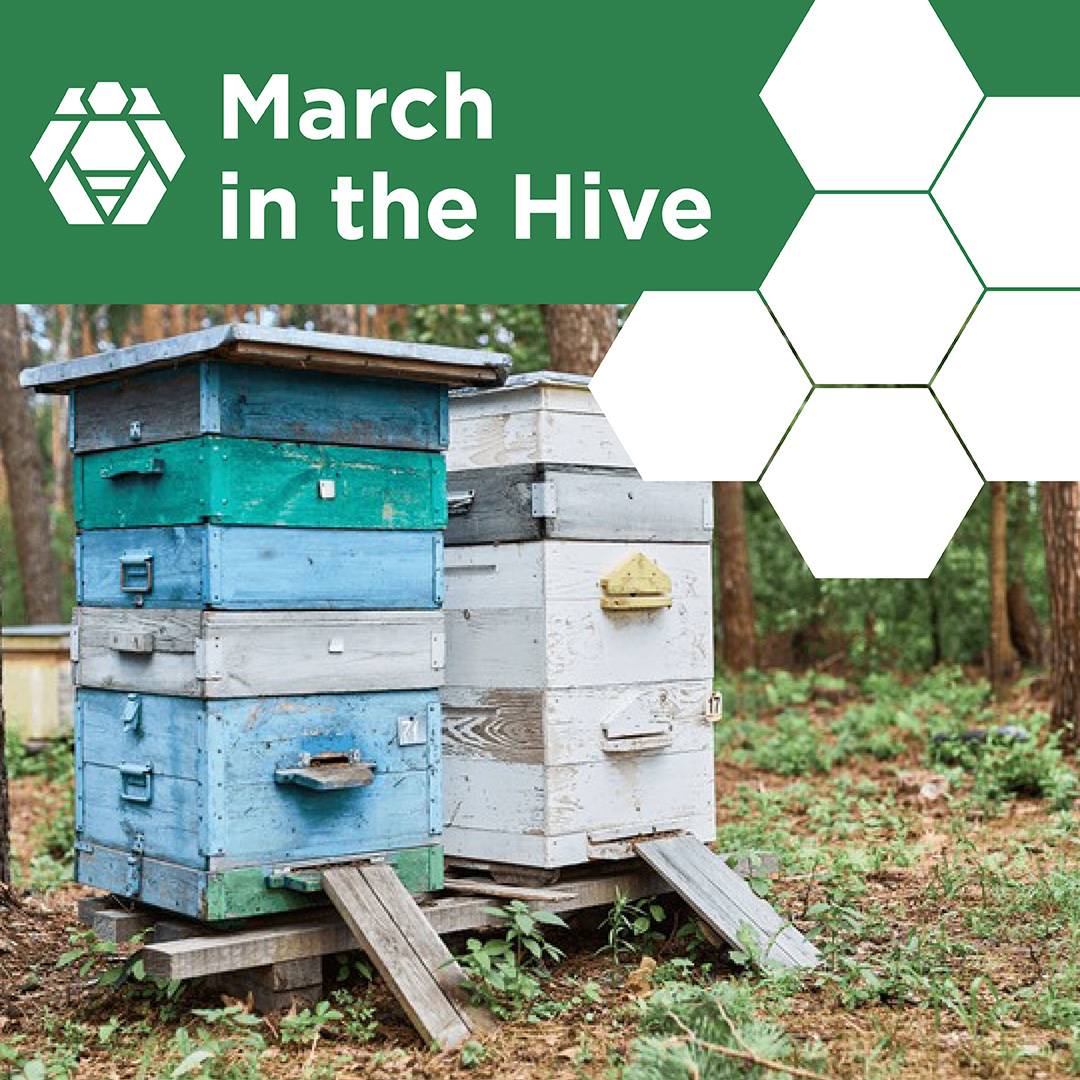
March in the Hive


It’s time to think spring! March is all about getting your apiary ready. Depending on the climate in your area, you can perform regular checks on the hives. On the warmest days, you can clean out your hives and inspect the status of the bees; check out January and February in the hive for last minute tips. There is still a chance that your bees are alive, but may not make it much longer if the temperatures continue to fluctuate. Don’t be discouraged if your bees didn’t overwinter! Michigan winters can be unpredictable. Instead, look forward to the new season, and decide what you’d like to change or do differently.

This is a great time to restock your supplies, or look into upgraded equipment. Before your supplies run out, order early to ensure you get them in time. You can also check out our options for bee packages. They will be available at GLBC in early to mid-April, with nucs coming early in May. If you’re wondering what kind of bees to get this year, check out our “No Bad Bees” blog, where we discuss the options available in our store and their pros and cons.